
A family history interview has two jobs: to keep a relative’s memories, and to collect the names, places and dates that let you trace the family further back. These questions do both. They are grouped by topic, so you can use one group per sitting.
Genealogists often say the most useful thing to record is how a name was spelled and where a place was. Ask for both, and write them down while you listen.
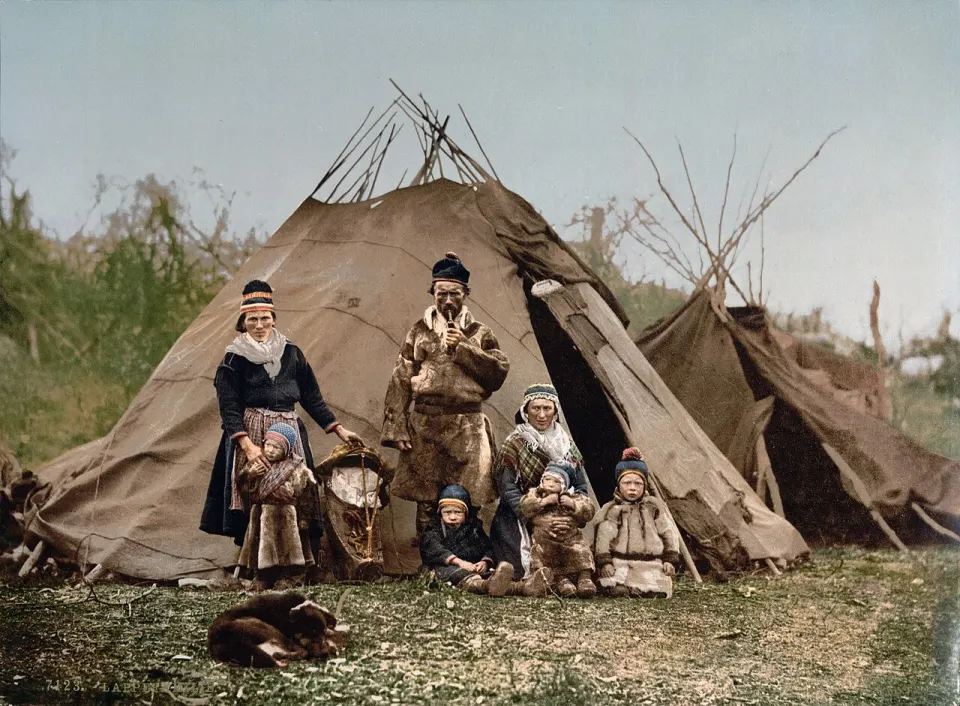
Tips for genealogy
- Ask for spellings. Names were often written differently in old records, especially across languages and borders.
- Pin down places. The village, the nearest town and the district or county. Borders and place names change.
- Accept rough dates. “Around the war” or “when I was about six” is still useful. Write it down as said.
- Ask what they have. Old letters, certificates, passports and photos often answer questions memory can’t.
- Ask who else knows. An older cousin or a neighbour may remember what this relative doesn’t.
Names and births
- What is your full name, and how is it spelled?
- Were you named after anyone?
- Did you have a nickname, or a different name at home?
- When and where were you born? At home or in a hospital?
- What are your brothers’ and sisters’ names, and when were they born?
Parents and grandparents
- What were your parents’ full names? What was your mother’s maiden name?
- Where and when were your parents born?
- What did your parents do for a living?
- How did your parents meet?
- What were your grandparents’ names, and where did they live?
- What do you remember about your grandparents?
- Did any of your relatives die young? What happened?
Places and homes
- Which towns and villages did the family live in, in order?
- Can you describe the house you grew up in?
- Who were your neighbours?
- Which places of worship, schools or cemeteries did the family use?
- Is there a family home or land that is still there?
Moving and migration
- Did the family move to another town or country? When and why?
- How did they travel, and who went first?
- What did they bring with them?
- Who did they leave behind? Did they stay in touch?
- What was hardest about starting again somewhere new?
Work and history
- What work did the men and women in the family do?
- Did anyone serve in a war or in the military?
- What major events do you remember living through?
- How did those events change the family?
- Was the family well off, poor, or somewhere in between? How did that change?
Customs and traditions
- Which languages were spoken at home?
- What religion was the family, and how did you practise it?
- Which holidays and festivals mattered most, and how were they celebrated?
- What foods were cooked for special days?
- Which family sayings or superstitions do you remember?
- How were weddings, births and funerals done in your family?
Records and heirlooms
- Do you have old photos? Who is in them?
- Are there letters, diaries or certificates in the family?
- Is there a family Bible, register or record book?
- Which objects have been passed down, and from whom?
- Is there anyone else I should talk to about the family?
Their own memories
- What is your happiest memory from childhood?
- What is a family memory everyone tells?
- Is there a family secret or mystery nobody has solved?
- What do you want the next generation to know about where they come from?
Questions people ask
What questions should I ask for a family history interview?
Ask for full names and spellings, birth dates and places, parents’ and grandparents’ names, the towns the family lived in, any moves or migration, work, military service, religion, traditions, and which photos, letters and documents exist.
What is an oral history interview?
A recorded conversation in which someone describes their own life and memories in their own words. For a family, it keeps a relative’s voice and memories and often gives clues for genealogy research.
How do I prepare for a family history interview?
Choose one topic, bring old photos and a family tree sketch, test your recorder, and have a notebook ready for names, spellings and places.
Who should I interview first?
The oldest relatives, and anyone who was the family’s record-keeper. Ask each of them who else you should talk to.
More guides: how to interview your grandparents, questions to ask your grandparents, or how to preserve family memories.